

Conservation one classroom at a time
If there’s one thing kids love, it’s knowledge. But something they love even more is knowing things other people don’t. Have you ever watched a classroom “meet” a new animal for the first time? You know the moment: eyes widen, hands shoot up, and suddenly the room is buzzing with questions you didn’t see coming.
Danielle D’Amour recently experienced exactly that.
Wearing a “98.7% Bonobo” T-shirt, she walked into the science classes she teaches at Browns Valley Elementary School (Napa Valley, California) and gave each class a challenge: Using 20 clues, could they guess the animal she had in mind?
- “I am an endangered species”
- “I live only in the Democratic Republic of Congo”
- “My family is female led”
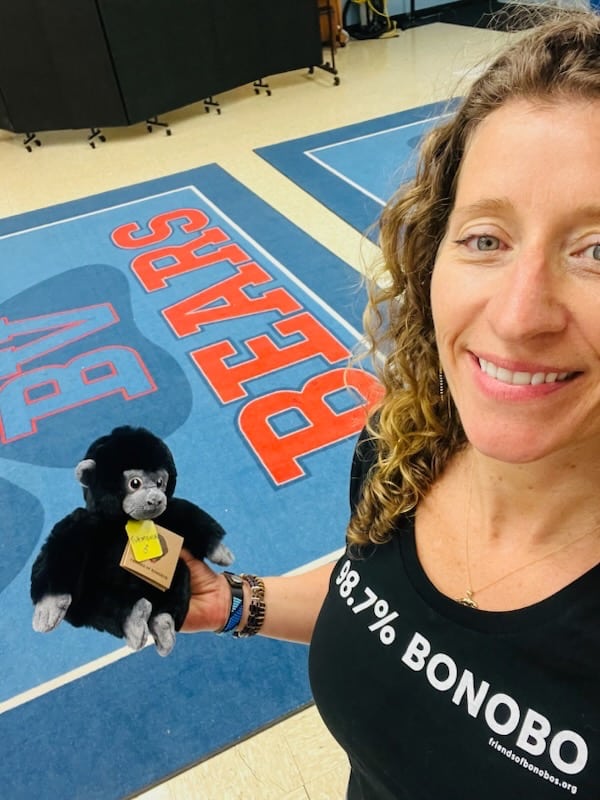
Some hints pointed straight toward the answer, as did her T-shirt, but not one class guessed: Bonobo. Judging by their responses, the students had never even heard of one.
Once Danielle revealed the secret animal was in fact, a bonobo, she introduced students to our closest living relatives by exploring the visual differences between bonobos and chimpanzees, bonobo vocalizations and their behavior. She then challenged the students to become great ape detectives. Looking at photographs, they had to determine whether each image showed a bonobo or a chimp, and reveal their answer by either grunting like a bonobo or shrieking like a chimp.
The classroom quickly filled with belly laughs, hoots and excitement.
Danielle also got to share stories from her own experience studying bonobos deep in the rainforests of the DR Congo, bringing conservation to life in a way no textbook ever could.
Below is a fun recap of what worked and what surprised us, plus seven kid-tested ways to turn curiosity about bonobos into lasting connection and action.
What worked:
Kids LOVE to be interactive and NOISY! Keep students on their toes with questions that make them think and learn. Kids are naturally curious about animals, so harness that interest to sneak in facts like African Geography, DNA, develop observation skills and personal responsibility.
What surprised us:
The enthusiasm kids had for learning about this new, and special animal on this planet reverberated quite literally, through our entire town. Bonobo is the new Buzz word. Dinner conversations now revolve around Bonobos and Bonobo behavior. What conservationist could ask for anything more?! Spreading the word that these inspiring animals exist on this planet is so much of the battle. And these kids nailed it. The immediate and immense love they developed for the species is profound.
Top 7 Ways to Get Kids Involved in Bonobos
1) Let Them “Adopt” a Bonobo for a Day (or a Week)
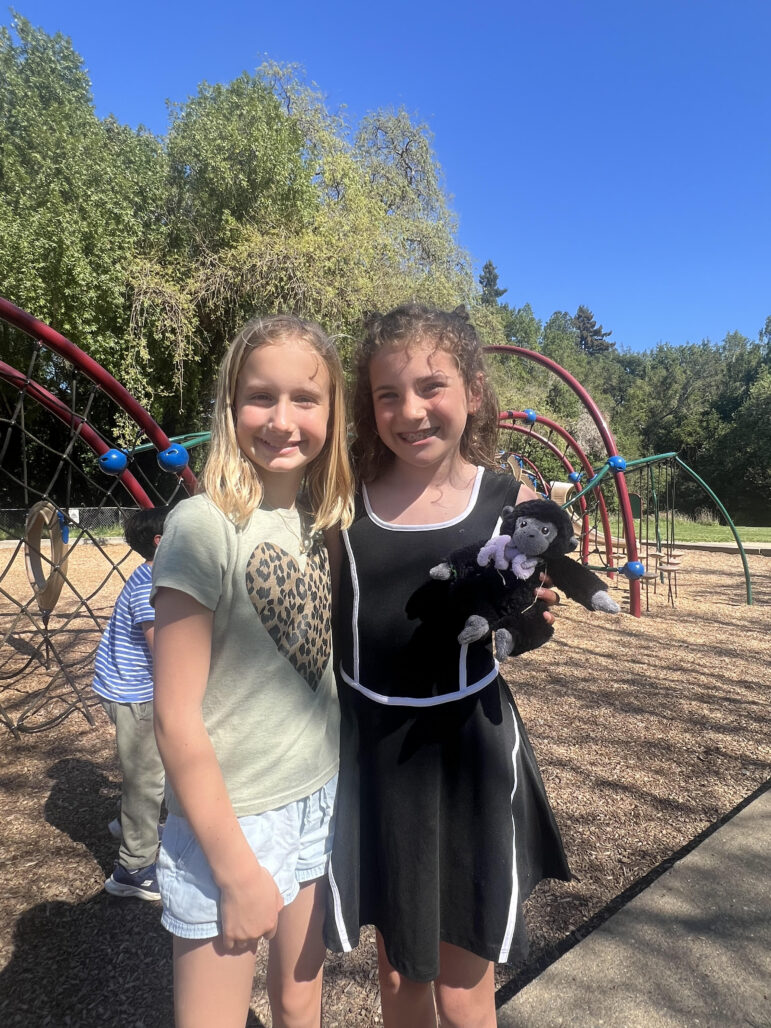
A stuffed bonobo went home with students for 24 hours, along with a bilingual biography of a real bonobo orphans at Lola Ya Bonobo and a classroom journal.
Kids had to think critically: What does a bonobo need? How does a bonobo behave? Where should it sleep?
They came back full of stories, creativity, and thoughtful reflections. Bonobos found their way to the dentist, baseball games and made lots of yummy food with over 400 families.
As an added bonus, this interactive activity inspired parents to learn about bonobos too, often for the very first time.
One class even asked for a second round because they weren’t ready to say goodbye.
2) Make Bonobos Part of the Morning Routine
A quick “Bonobo Moment” each morning (just one to three minutes) keeps curiosity alive.
Try:
- A live cam check-in (See bonobos LIVE at our projects in the DRC)
- A bonobo fact of the day
- A question jar: “What do you wonder about bonobos?”
Teachers who had previously started their mornings with eagle cams swapped them out for live feeds from the bonobos at Lola ya Bonobo. The mischief and play made the bonobos a fun start to the day.
Suddenly, students had favorite bonobos, daily observations, and a whole new set of questions waiting each morning.
- “Where is that one going?”
- “Why are they grooming each other?”
- “Do they always play like that?”
The bonobos became part of the classroom routine.
See bonobos on the live cameras https://explore.org/bonobos
3) Use Empathy as a Learning Objective
Bonobos are an ideal bridge into empathy and social learning.
Ask questions like:
- What might that bonobo be feeling?
- What does cooperation look like?
- What helps a group stay safe?
- How do we resolve conflict kindly?
These conversations often extend well beyond conservation.
4) Let Kids Take the “Bonobo Pledge”
Invite students to add their handprint to a classroom pledge dedicated to acting a little more like bonobos:
- Stay curious.
- Be kind.
- Include others.
- Solve problems peacefully.
- Take care of the world around us.
Find out more and take the bonobo pledge!
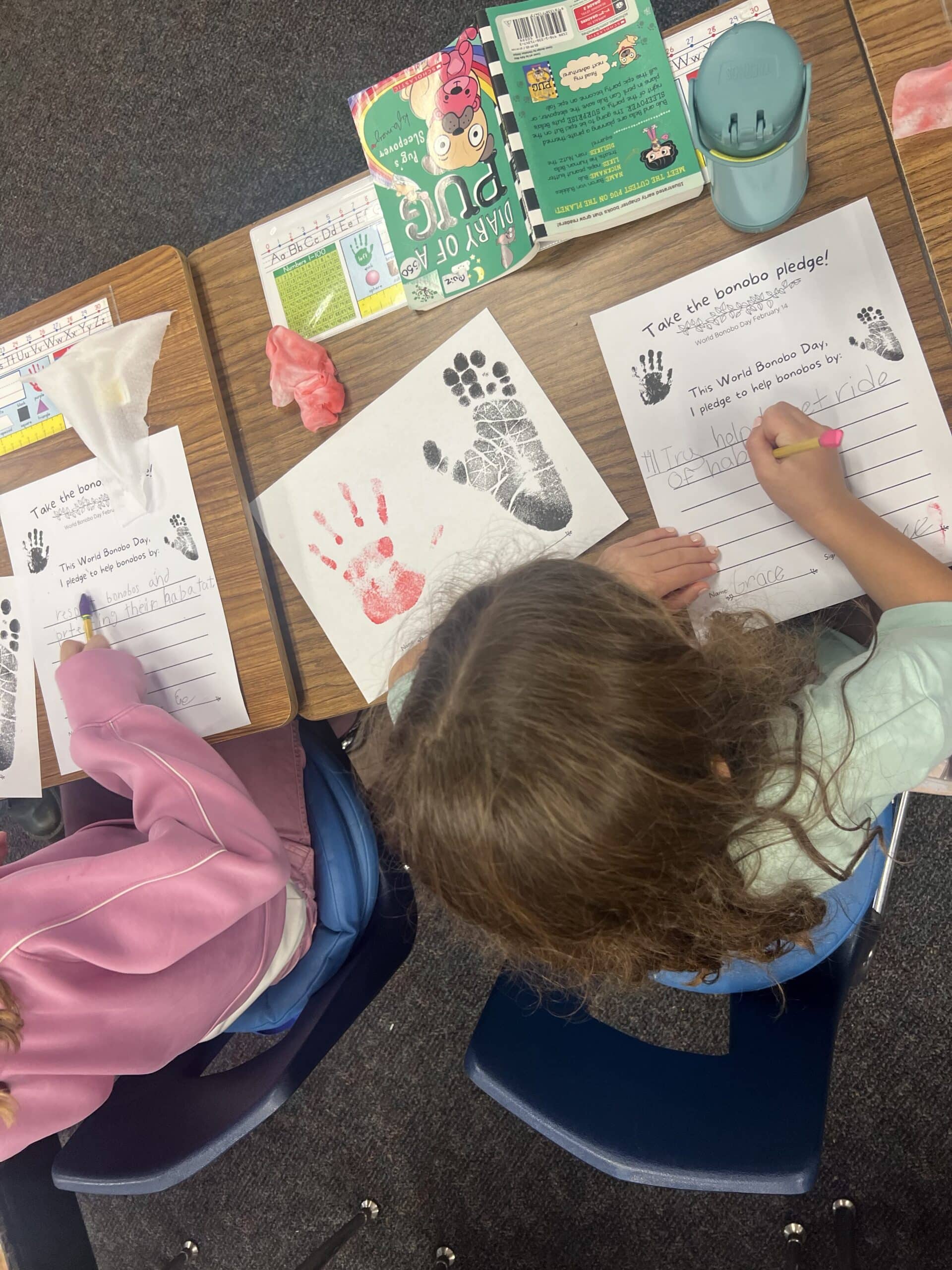
5) Become a Great Ape Detective
Bonobos and chimpanzees look similar at first glance, but careful observers quickly learn the differences.
Challenge kids to identify photos, videos, sounds, or clues and decide: bonobo or chimp?
Bonus points if they celebrate their answers with bonobo grunts and chimp shrieks.
Read more about the difference between bonobos and chimpanzees.
6) Turn Kids into Conservation Storytellers
Ask students to create a comic strip, poster, video, poem, or presentation answering one question:
“Why should people care about bonobos?”
When children teach others, they often become even more invested themselves.
7) Give Kids a Chance to Make a Difference
Whether it’s a lemonade stand, birthday fundraiser, classroom coin drive, or community challenge, giving kids the opportunity to contribute helps them see that conservation isn’t something adults do somewhere else.
Even small acts remind children that they have the power to create change.
The Big Takeaway
Bonobos aren’t just a fascinating species, they’re a powerful doorway into empathy, observation, ecology, and real-world conservation.
Curiosity doesn’t stop at the classroom door. It spills into homes, hallways, and dinner-table conversations, inspiring the next generation of conservationists one question at a time.
Bring bonobos into your own home or classroom:
- Donate $250 and receive your very own bonobo stuffy to “love and learn from “adopt.” Did you know that $250 supplies one bonobo in our nursery with food for two and a half months OR can provide the opportunity for a class in the DRC to come to the sanctuary and learn about bonobos?
- Sign up for our newsletter to stay updated about the work of Friends of Bonobos and stay informed as our bonobo curriculum continues to grow.
- Reach out and help us inspire the next generation of bonobo champions. Interested in playing a larger role in developing this curriculum? We’d love to hear from you.
About Danielle D’Amour
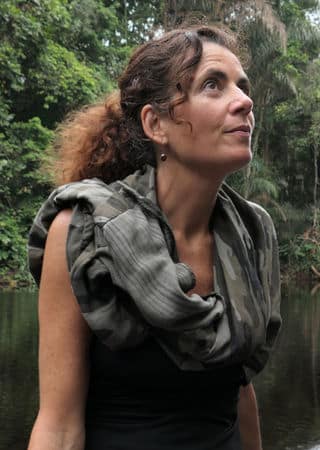
Danielle is a natural resources conservationist and educator based in Napa, California. She researched bonobos for her Master’s degree and has dedicated over 20 years to wildlife conservation. Her work has taken her across diverse landscapes and communities, but her central passion remains the same: protecting biodiversity while fostering meaningful connections between people and the natural world.
She is especially passionate about education and cultivating future conservationists and globally minded citizens who feel a sense of responsibility and belonging within the living world.
As an Ayurvedic practitioner, she supports clients in understanding that healing and connection to nature are inherently interwoven.
Her work is rooted in the belief that meaningful change begins with reconnection – to each other and to the living world.