

What It Means for Bonobos and Our Conservation Work
Recent reports of Ebola in the Democratic Republic of the Congo (DRC) have raised understandable concerns among our supporters. The government first declared the outbreak on May 15, 2026, and since then recorded cases remain in the eastern side of the DRC (North and South Kivu provinces), as well as neighboring Uganda. At the moment, these locations are far enough away that all operations at Lola ya Bonobo and Ekolo ya Bonobo have continued as normal.
Most concerning about this current outbreak is that the particular strain of ebola does not have a licensed vaccine or specific treatment. This makes the strain more difficult to control and increases uncertainty both for human and wildlife populations.
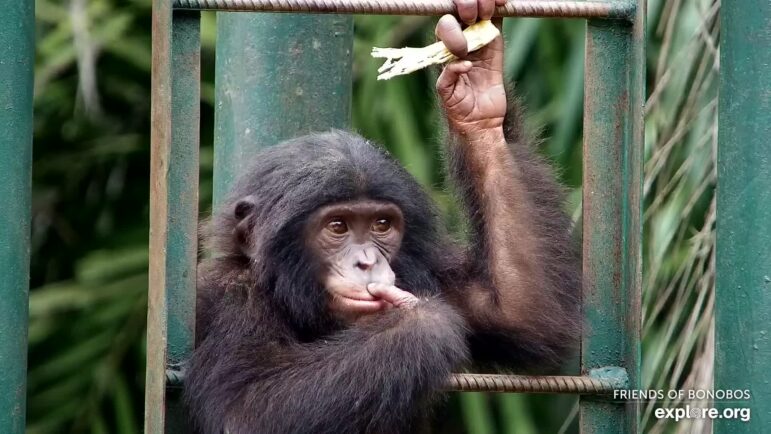
At Friends of Bonobos, we are closely monitoring developments and assessing any potential implications for our conservation work. There are many unknowns about this particular outbreak, but history has shown that Ebola can pose a significant threat to great apes as well as people.
There are no documented cases of Ebola affecting bonobos. However, evidence from other great apes like gorillas and chimpanzees suggests that bonobos are likely susceptible to infection.
Ebola’s impact on humans
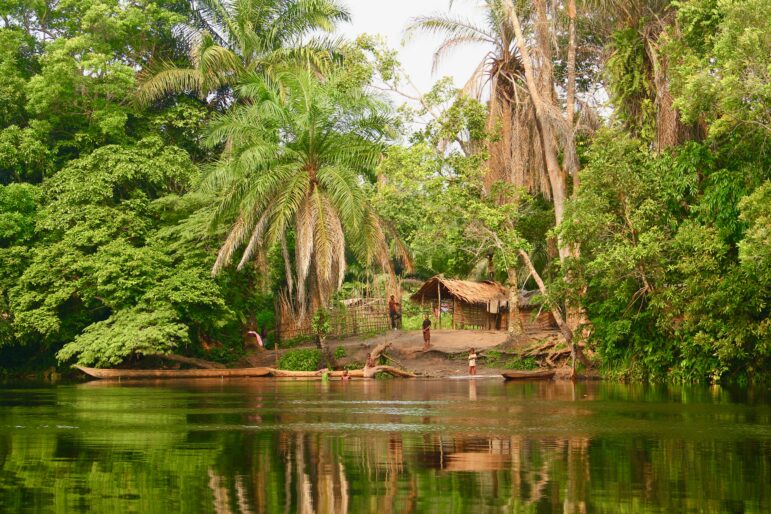
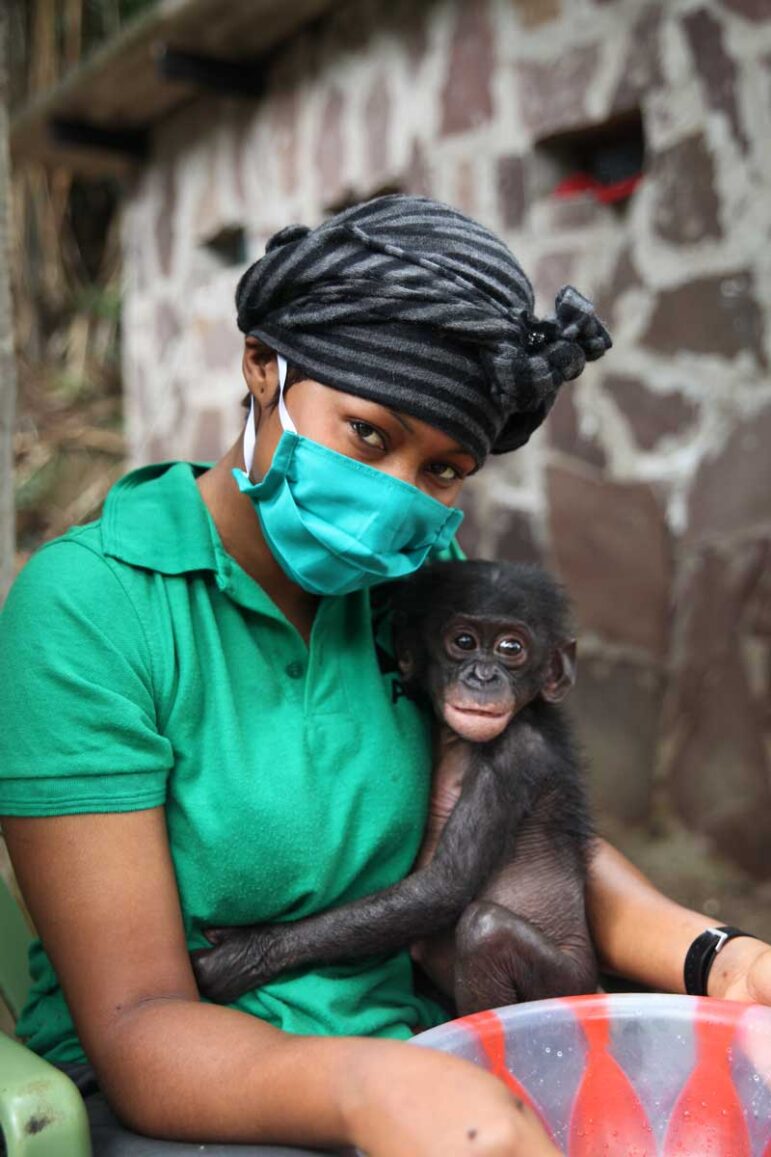
At Friends of Bonobos, we attribute our successes to the people working behind the scenes. This includes, but is not limited to our staff at Lola ya Bonobo, including all of the vets, caregivers, and directors, as well as forest guards and researchers at Ekolo. In addition, there are important communities in these areas that play a critical role in partnering with us to protect bonobos and the forests. Strong communities are better equipped to navigate challenges, whether those challenges come in the form of habitat loss, climate pressures, or emerging disease threats.
Ebola’s impact on apes
A study published in Science (2004) documented multiple Ebola transmission events in Central Africa and linked them to dramatic declines in gorilla and chimpanzee populations. Researchers concluded that Ebola was not only a public health crisis but also a serious conservation threat capable of rapidly reducing already vulnerable wildlife populations.
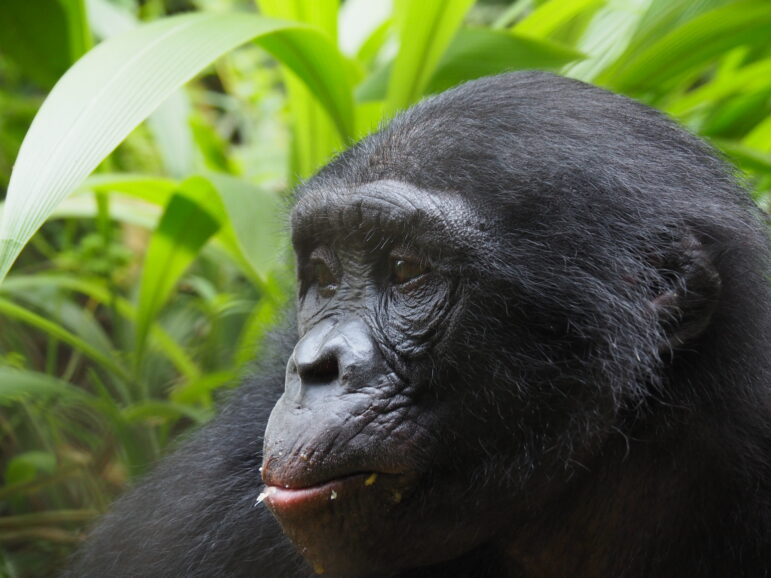
While documented impacts have primarily been observed in gorillas and chimpanzees, bonobos are not immune to the threats and top of mind for us all.
Bonobos live in highly social communities and any significant disease outbreak affecting wild populations could have serious consequences. Their survival depends on a delicate balance of healthy habitat, stable social groups, and long-term conservation efforts.
During the Covid-19 pandemic, Lola ya Bonobo closed its doors to visitors. Located on the outskirts of the DRC’s capital city of Kinshasa, a metropolis of 15 million inhabitants, Lola ya Bonobo was at significant risk of contamination from the virus. Because bonobos are very fragile, and common respiratory infections spread quickly within the sanctuary unless they are managed carefully, we chose not to take the risk of contamination from visitors or from staff commuting daily into town. A core team of essential staff agreed to be confined at the sanctuary with the bonobos, and the sanctuary was closed to the outside. At the moment, daily life at Lola ya Bonobo continues as usual, but should concerns surrounding ebola grow, necessary precautions will be taken.
Protecting the Forests
At Ekolo ya Bonobo, life also continues as usual. We continue to monitor our current rewilding efforts which depend not only on suitable habitat and animal readiness, but also on navigating other factors, such as the current Ebola outbreak. We are taking into account the current situation and will stay vigilant as we make educated decisions on the timing of the releases, veterinary protocols, and monitoring activities.
Disease outbreaks like Ebola remind us that the health of people, wildlife, and ecosystems is interconnected. Healthy forests do more than support wildlife. They help maintain the ecological balance that keeps ecosystems resilient. When forests are fragmented or degraded, wildlife populations can become stressed, biodiversity declines, and interactions between humans and wildlife may increase.
Conservation is not simply about responding to threats, it is about building resilience before those threats emerge. We continue to invest in species protection, habitat conservation, education, and community partnerships to create a future where bonobos can thrive, forests remain, and communities have the tools they need to prosper alongside nature.
By protecting bonobo habitat, we are not only safeguarding one of our closest living relatives, we are also investing in the resilience of an entire ecosystem whose health is deeply connected to our own.
Sources:
1. Leroy et al. (2004), “Multiple Ebola Virus Transmission Events and Rapid Decline of Central African Wildlife,” Science. SCIENCE article
2. Review article on Ebola ecology and transmission published in Viruses (2023). PMC article
3. World Health Organization (WHO). (2026, May 31). Joint statement by the Government of the Democratic Republic of the Congo and WHO concerning the outbreak of Ebola disease caused by the Bundibugyo virus. World Health Organization. WHO statement
4. U.S. Centers for Disease Control and Prevention (CDC), “How Ebola Disease Spreads,” updated June 2, 2026. CDC article.4. Emanuel, G. (2026, June 6).A park famed for rare gorillas gears up to fight Ebola and protect its primates. NPR. NPR article
5. Emanuel, G. (2026, June 6). A park famed for rare gorillas gears up to fight Ebola and protect its primates. NPR. NPR article