

The Earth is currently undergoing a mass extinction event, with extinction rates 1,000 times higher than the normal background rate.1 Humanity is the main cause of this mass extinction of endangered animals, but even an individual can make a positive difference.
What Are Endangered Animals?
An endangered animal is a species that is at high risk of disappearing from the Earth forever. Currently, there are more than 48,600 known species threatened with extinction.2
How Animals Are Labeled ‘Endangered’
There are five main criteria used to classify an animal as endangered:
- Rapidly declining population
- Restricted geographic range
- Small and declining population
- Very small population size
- Other quantitative analysis3
Often an animal is at risk due to multiple challenges.
Difference Between Threatened, Endangered and Extinct
Organizations that study the long-term viability of species categorize them based upon the seriousness of the threats they face. The three major categories people often hear about are threatened, endangered, and extinct.4
A threatened species is defined as a species “likely to become endangered within the foreseeable future throughout all or a significant portion of its range” by the Endangered Species Act of 1973.5
An endangered species as a species that is “in danger of extinction throughout all or a significant portion of its range.” 6
An extinct animal is one “when there is no reasonable doubt that the last individual has died.” 7
Some organizations, such as the International Union for Conservation of Nature (IUCN), further subdivide these categories. In some cases the IUCN may judge a situation as “Data Deficient”, meaning scientists don’t have enough information to judge the long-term viability of an animal.
Why Endangered Animals Matter
The protection and conservation of endangered species is a moral and ethical responsibility for humanity, yet endangered animals also play vital roles in the provision of many ecosystem services and cultural benefits.8
Ecological Importance
Many animals are critical for well-functioning ecosystems. If a species becomes endangered or extinct, the balance is upset. For example, the gray wolf is considered a “keystone species” in Yellowstone National Park. It controls the elk population, which otherwise would overconsume plants along streams, which in turn benefit trout, beavers, and migratory birds.9
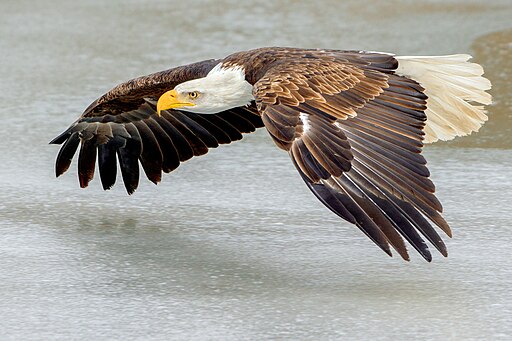
Endangered animals can also serve as indicators of environmental health. In the 1970s, declining populations of bald eagles warned scientists of the environmental damage being caused by the pesticide DDT.10
Economical Importance
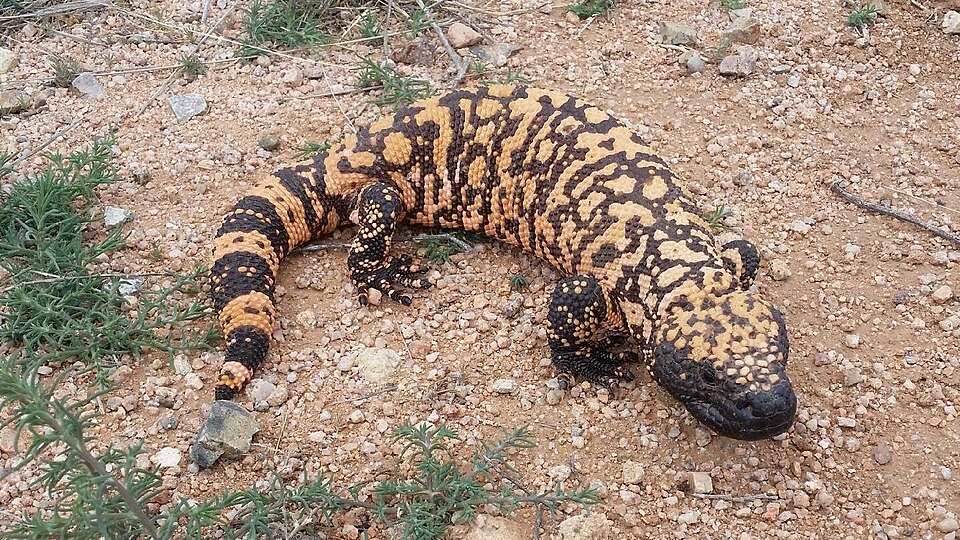
Some animals can also provide health benefits to humans, via traditional medicine or modern pharmaceuticals. Drugs have been developed from snail venom to treat chronic pain, from Gila monster saliva to treat diabetes, and from rattlesnake venom to prevent heart attacks.11
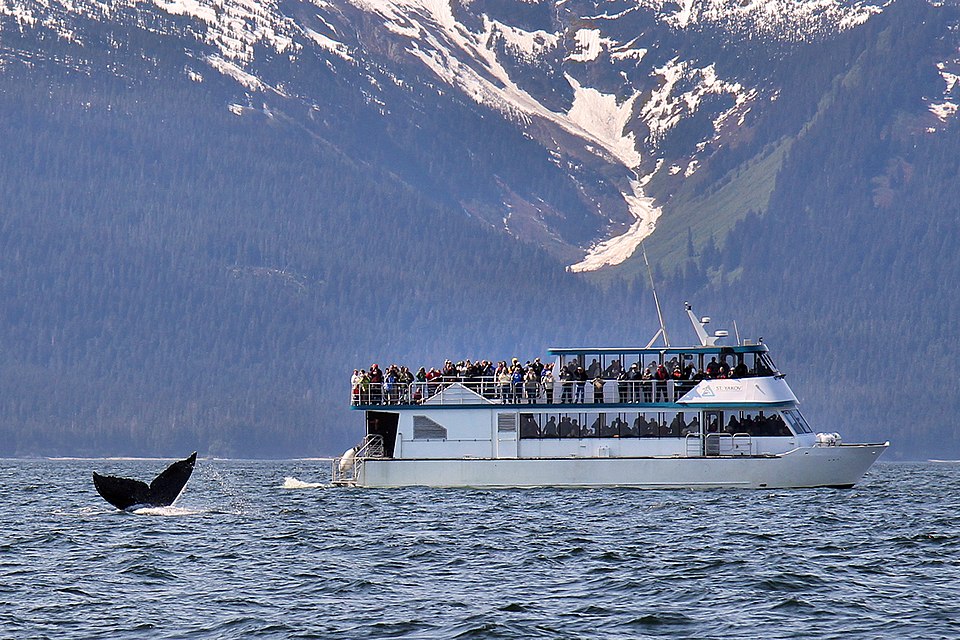
Many endangered animals provide jobs and income for people, both directly and indirectly. For example, whale watching is one of the fastest growing tourist activities in the world. Bees are crucial pollinators, ensuring fruits, vegetables and nuts on our farms.
Cultural and Human Connection
Endangered animals have significant cultural importance, particularly for Indigenous peoples. Their extinction can have a major cultural loss, affecting folklore, beliefs, and traditional practices. Examples include how the Mazahua people of central Mexico view Monarch butterflies as spirits of dead ancestors, and how the Kwhe culture of Namibia believe elephants were once human and were transformed into animals.12
Examples of Endangered Animals
Endangered animals come from all branches of the animal kingdom, such as amphibians, birds, fish, invertebrates, mammals, and reptiles.
Well-Known Species
Some endangered animals have become very famous. The Giant Panda has been the beneficiary of one of the most aggressive conservation efforts in history. The most recent official survey estimates the global population at 1,596, showing a slow and steady increase since the late 1980s. It is now classified as Vulnerable, an improvement from its previous assessment as Endangered.1313
The tiger, once native to much of the Middle East, Central Asia, and the Far East, is now only found in a few isolated pockets. Classified as Endangered, the tiger only has about 3,140 mature individuals left, and the population is decreasing.14
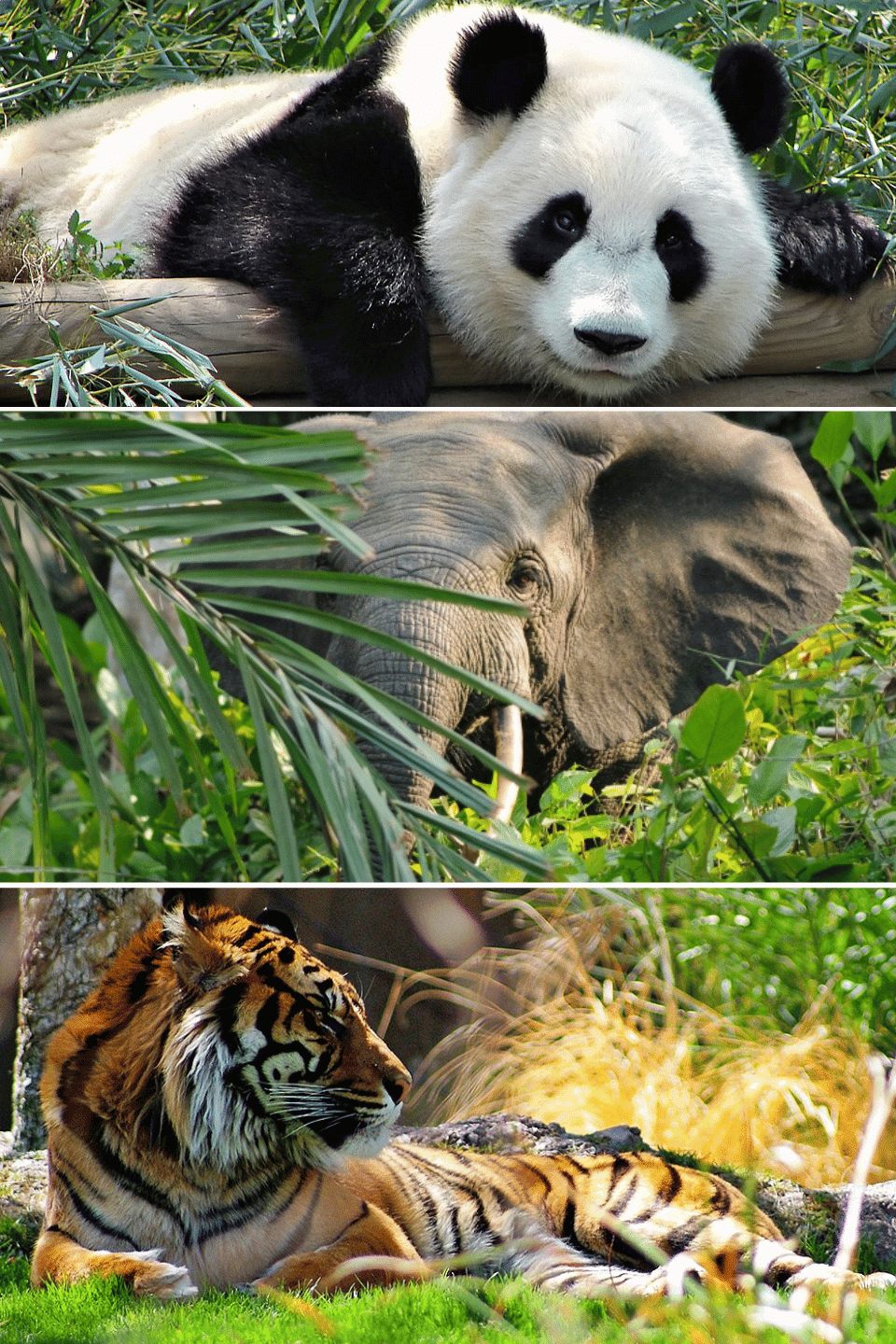
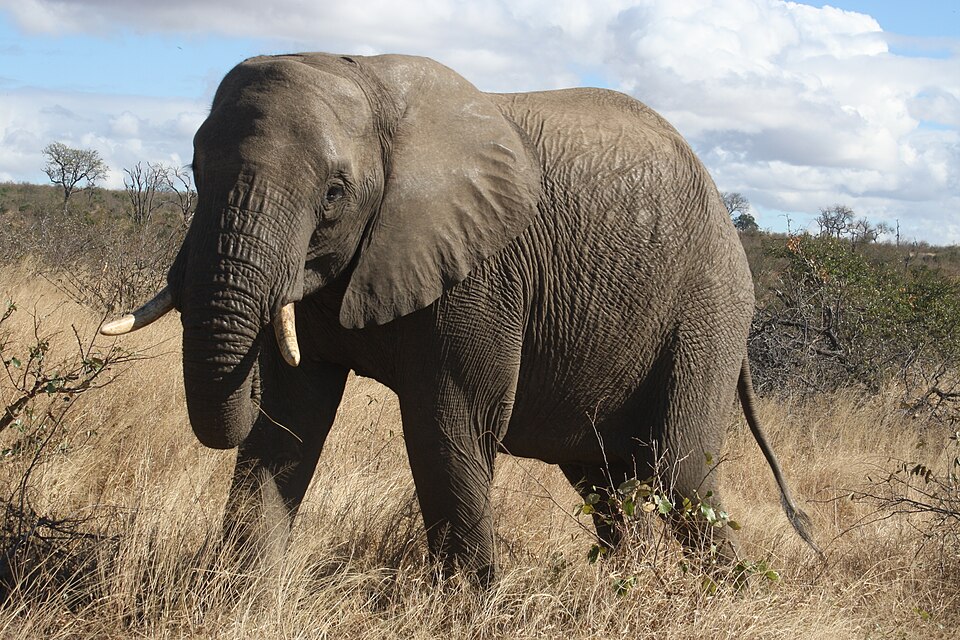
The African Savanna Elephant is considered Endangered, slightly better than its cousin, the African Forest Elephant, which is Critically Endangered.15 Both are threatened by habitat loss and poaching for the illegal ivory trade.16
Lesser-Known Species to Watch
While large, photogenic animals like the panda and tiger get a lot of public attention, there are many other endangered animals that play important roles in their ecosystems.
The Critically Endangered Bale Mountains Treefrog only lives in a tiny area in the Ethiopian highlands.17 Although called a treefrog, they live on the forest floor and can be found under logs, boulders, mosses, and compost. Frogs are excellent indicators of environmental health.
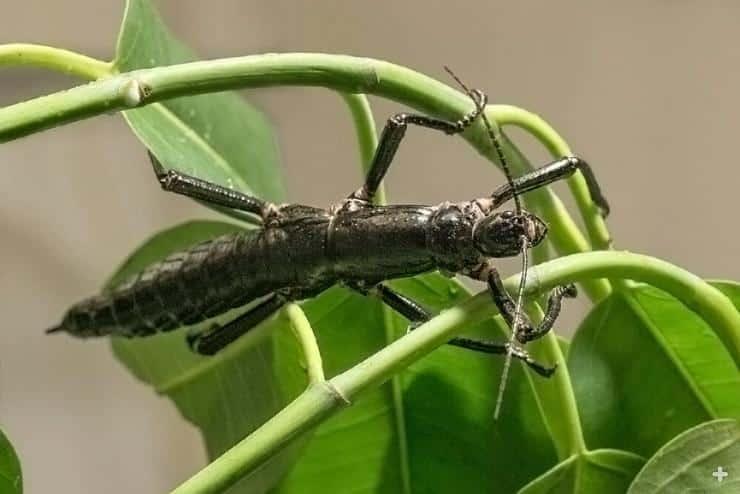
There are less than 35 Lord Howe Island Stick insects left in the world. These 8-inch-long insects, nicknamed “Tree Lobsters,” are Critically Endangered and can only be found on a small island off the east coast of Australia.18
They were believed extinct until a discovery in 2001. The San Diego Zoo Wildlife Alliance is working to bring them back from the brink.
Introducing the Bonobo Ape
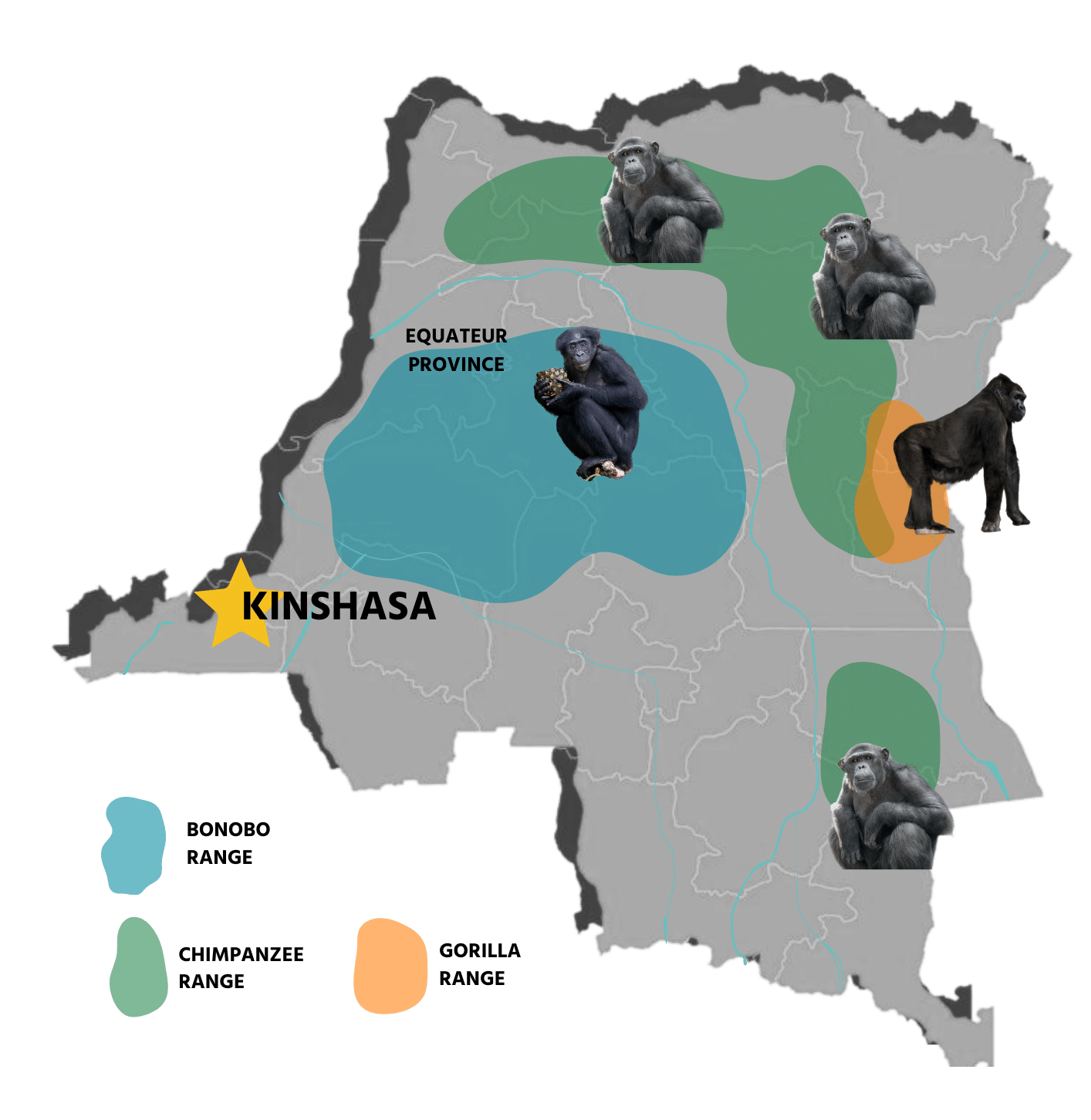
The bonobo (Pan paniscus) is a great ape found only in the Democratic Republic of Congo. Bonobos and chimpanzees and are both part of the genus Pan. While chimpanzees live north of the Congo River, bonobos live south of it. Chimpanzees are slightly larger (up to 154 pounds), more aggressive, and male dominated. Bonobos are smaller (up to 132 pounds), more peaceful, and are led by females. Chimpanzees and bonobos are the closest living relative to modern humans.
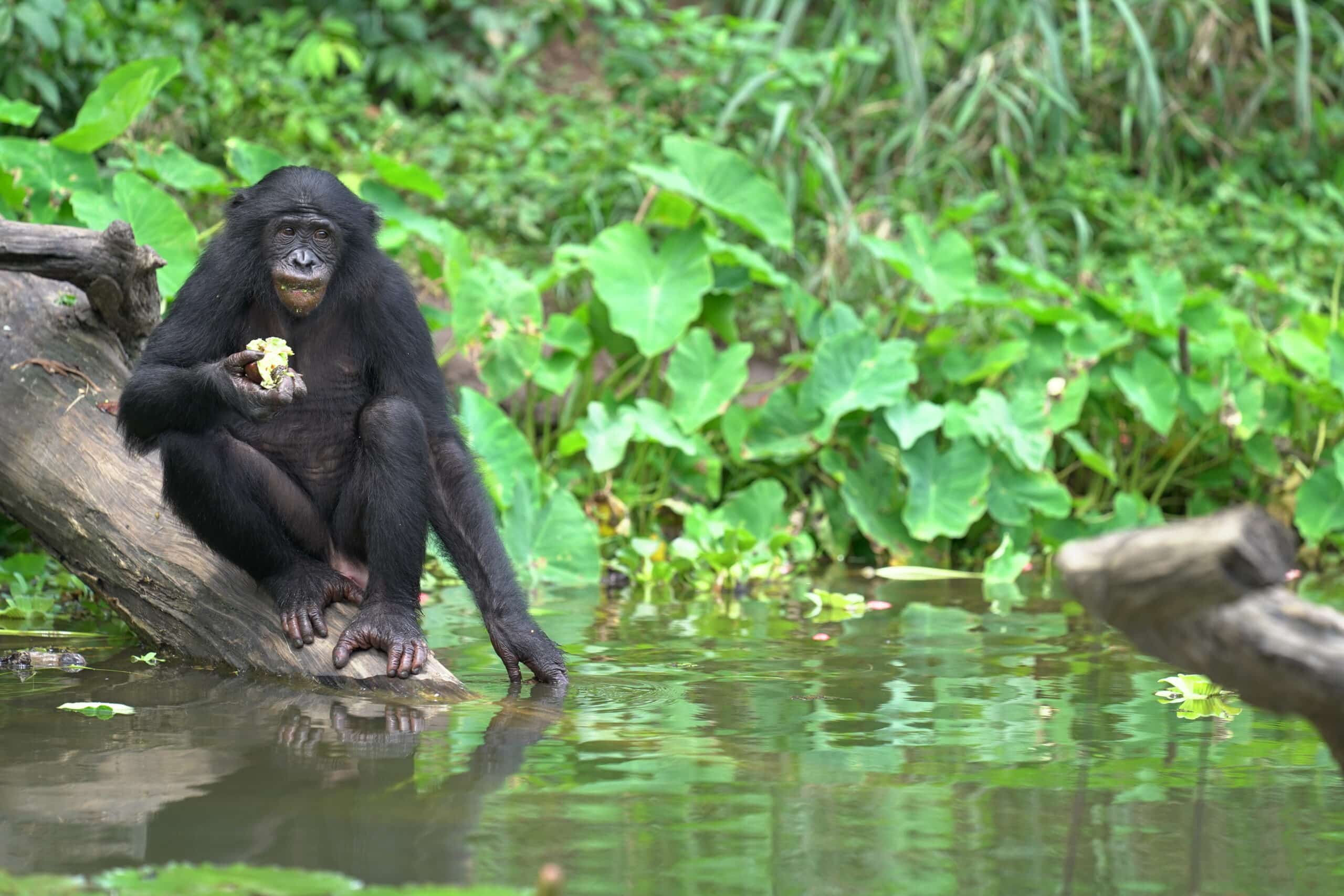
All great apes – bonobos, chimpanzees, gorillas, and orangutans – are endangered. It is difficult to estimate how many bonobos are left in the wild because they live in heavily forested areas and roam widely. Estimates have ranged from 5,000 up to 20,000. They are Endangered because surveys prove their population is in decline.19
Causes of Endangerment
Human activity is the main reason why animals become endangered today. These include habitat loss and alteration, overexploitation, large-scale mixing of species, introduced species, pollution, and climate change.20 It is also possible for animals to become endangered via natural processes, such as disease or predation. Sometimes, scientists are unable to determine why an animal is declining.
Habitat Loss and Deforestation
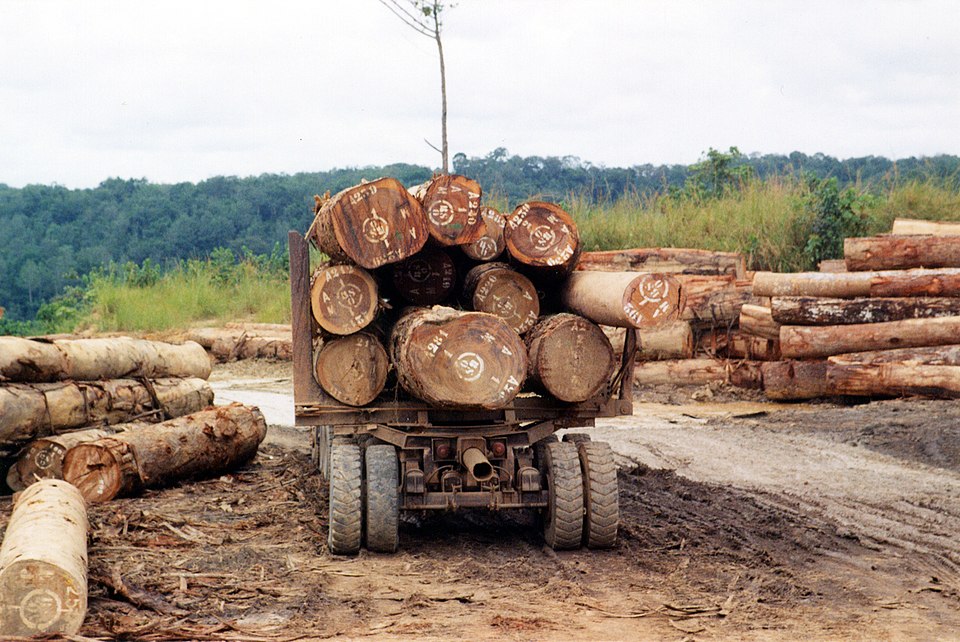
By far, habitat loss is the greatest threat to animals. One study found 88.3% of endangered species were impacted by habitat destruction.21 Habitat may be destroyed for a variety of reasons, including urban development, clearing land for agriculture or livestock, mining, and logging. Habitat may also be lost due to climate change or extreme weather events.
Climate Change
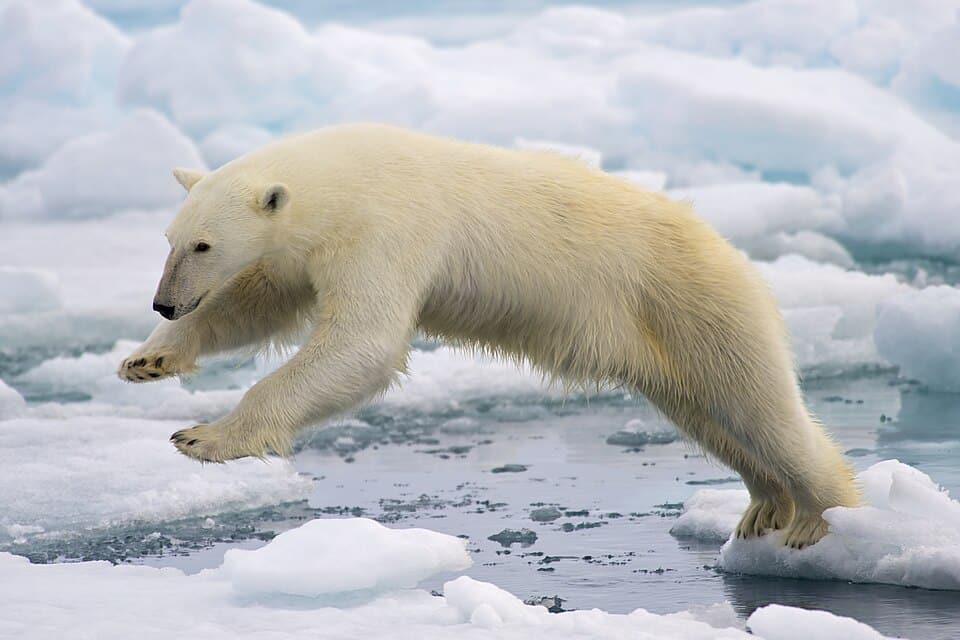
Climate change has negatively impacted about 16.8% of species studied22, and the situation is expected to get worse. Arctic animals are particularly threatened as areas close to the poles warm faster than average. Animals like the Saimaa ringed seal need snow mounds to build their dens, while polar bear hunts from pack ice.23
Poaching and Illegal Wildlife Trade
Poaching and the illegal wildlife trade can have devastating impacts on some animals.
Despite laws to protect them, poaching is the most immediate direct threat to bonobos. They are killed for bushmeat or sometimes for medicinal purposes.

Killing even a small number of bonobos can have a major negative impact because of their long maturation, slow reproductive rate, and cohesive society. Many people living near bonobos respect them and have taboos against hunting them, but poachers are often hired by international traffickers. One study found evidence of poachers in 51% of survey grids across the Democratic Republic Congo’s Salonga National Park.24 This helped spur an increase in anti-poaching measures in the area, which has had a positive effect.25
Spotlight on the Bonobo Ape
Where Bonobos Live
The bonobo is found only in the Congo Basin Rainforest in the Democratic Republic of Congo. Their range is about 190,000 square miles and they have several distinct protected strongholds: the Luo Scientific Reserve, Salonga National Park, Sankuru Natural Reserve, and the Tumba-Lediima Natural Reserve.26
In addition, Friends of Bonobos is working to strengthen their wild populations by returning bonobos rescued from traffickers to the wild in Ekolo ya Bonobo Community Reserve. While the area is within the bonobo’s historic range, no wild bonobos were known to be living in the area before Ekolo Community Reserve was created.
Why Bonobos Are Endangered
The major threats to Bonobos include:
- Poaching for bushmeat and the international illegal wildlife trade
- Human-induced habitat loss (logging, agriculture, mining)
- Human population growth and migration (residential and commercial development)
- Lack of education including insufficient awareness among some communities that bonobos are legally protected
- Introduced diseases
- Habitat shifting due to climate change27
How You Can Help Protect Bonobos
- Strengthen institutional capacity. This includes creating new protected areas, eliminating poaching, controlling the bushmeat trade, and working with logging companies to implement specific wildlife protection activities.
- Consultation and collaboration with local actors in order to integrate bonobo conservation issues into local and national development and land-use plans.
- Awareness building, conservation education and lobbying.
- Research and monitoring.
A variety of public and private groups work on bonobo conservation, such as national governments, universities, NGOs, and charities. They tend to concentrate the efforts on several main goals.28
Sanctuaries, including Lola ya Bonobo, play important roles in achieving many of these goals. When a bonobo mother is killed for bushmeat her baby is taken to be sold on the black market. When these babies are rescued by authorities in the Democratic Republic of Congo, they are taken to Lola ya Bonobo, located close to Kinshasa. More than two dozen orphaned bonobos rehabilitated at Lola ya Bonobo have been successfully returned to the wild.
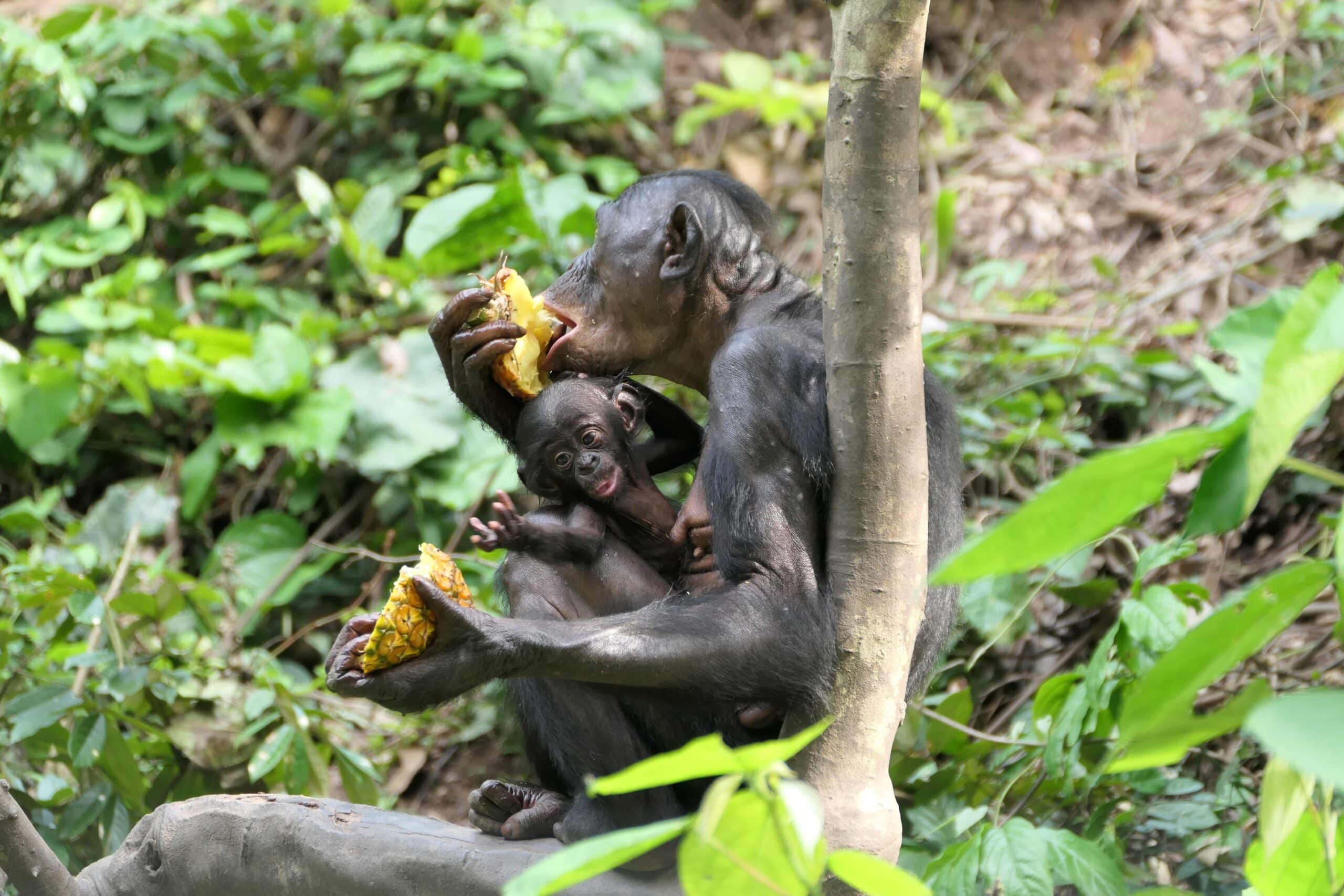
Sanctuaries such as Lola also are effective platforms for research, education, and community engagement, as well as for rehabilitating and releasing individual animals back into the wild.29
How Individuals Can Make a Difference
Support Wildlife Organizations
Although governments and major NGOs play large roles in animal conservation efforts, individuals can work with such groups or act independently to make a positive difference. Funding is one of the most critical challenges to wildlife conservation, so individuals can financially support reputable wildlife organizations. This can be done through individual donations, organizing fund-raising events, naming charities in estate planning, or lobbying corporations to make charitable donations.
In the United States, conservation groups are typically registered as a 501(c) organization as nonprofit, tax-exempt charitable organizations. Donations to these groups are normally tax-deductible. Friends of Bonobos is a top-rated, registered U.S. charity which supports the work of Friends of Bonobos of Congo, including Lola ya Bonobo sanctuary and Ekolo ya Bonobo Community Reserve.
Sustainable Everyday Choices
People can also help endangered animals by making sustainable everyday choices. These can include:
- Save energy
- Reduce, reuse, repair, and recycle
- Eat more fruit and vegetables and less animal products
- Throw away less food
- Plant native species
- Clean up your environment
- Engage in responsible tourism
- Buy responsible products and services30
Raising Awareness and Advocacy
Individuals can also help to raise awareness of the plight of endangered animals. Some examples can include:
- Share information on social media platforms
- Telling friends and colleagues
- Recommend educational programs to schools
- Promote projects to companies
- Write to elected officials
Footnotes
- https://www.iucnredlist.org/species/712/121745669https://static.squarespace.com/static/51b078a6e4b0e8d244dd9620/t/538797c3e4b07a163543ea0f/1401395139381/Pimm+et+al.+2014.pdf ↩︎
- https://www.iucnredlist.org/about/background-history ↩︎
- https://conbio.onlinelibrary.wiley.com/doi/10.1111/j.1523-1739.2008.01044.x ↩︎
- https://www.iucnredlist.org/about/faqs#What%20are%20the%20Red%20List%20Categories%20and%20Criteria ↩︎
- https://www.congress.gov/crs-product/RL31654 ↩︎
- https://www.congress.gov/crs-product/RL31654 ↩︎
- https://www.iucnredlist.org/ ↩︎
- https://www.eea.europa.eu/en/analysis/maps-and-charts/what-are-ecosystem-services ↩︎
- https://www.fws.gov/story/why-save-species ↩︎
- https://www.ifaw.org/international/journal/why-should-we-protect-endangered-animals ↩︎
- https://www.bbc.com/future/article/20200507-medicines-and-drugs-from-animals-venom ↩︎
- https://www.ifaw.org/international/journal/why-should-we-protect-endangered-animals ↩︎
- ↩︎
- https://www.iucnredlist.org/species/15955/214862019 ↩︎
- https://www.iucnredlist.org/species/181007989/204404464 ↩︎
- https://www.iucnredlist.org/species/181008073/223031019 ↩︎
- https://www.iucnredlist.org/species/57703/16948437 ↩︎
- https://www.iucnredlist.org/species/6852/21426226 ↩︎
- https://www.iucnredlist.org/species/15932/102331567 ↩︎
- https://conbio.onlinelibrary.wiley.com/doi/10.1111/j.1523-1739.2008.01044.x ↩︎
- https://conbio.onlinelibrary.wiley.com/doi/10.1111/csp2.12670 ↩︎
- https://conbio.onlinelibrary.wiley.com/doi/10.1111/csp2.12670 ↩︎
- https://www.wwf.org.uk/updates/11-arctic-species-affected-climate-change ↩︎
- http://ndl.ethernet.edu.et/bitstream/123456789/63585/1/78.pdf#page=252 ↩︎
- https://www.iucnredlist.org/species/15932/102331567 ↩︎
- https://www.iucnredlist.org/species/15932/102331567 ↩︎
- https://www.iucnredlist.org/species/15932/102331567 ↩︎
- https://www.iucngreatapes.org/_files/ugd/16b29f_abaea51c29ab4e07907875df8a6adbfb.pdf ↩︎
- https://www.researchgate.net/publication/370088861_Short_Communication_The_Importance_of_Modern_Zoos_and_Animal_Sanctuaries_in_Promoting_Wildlife_Conservation_and_Education ↩︎
- https://www.un.org/en/actnow/ten-actions ↩︎
David J. Cord is the author of five books and has been published in 10 languages. As a journalist he covers Nordic innovations and public policy for an international audience. He is a firm believer in nature conservation and thinks bonobos can teach us a lot about ourselves.